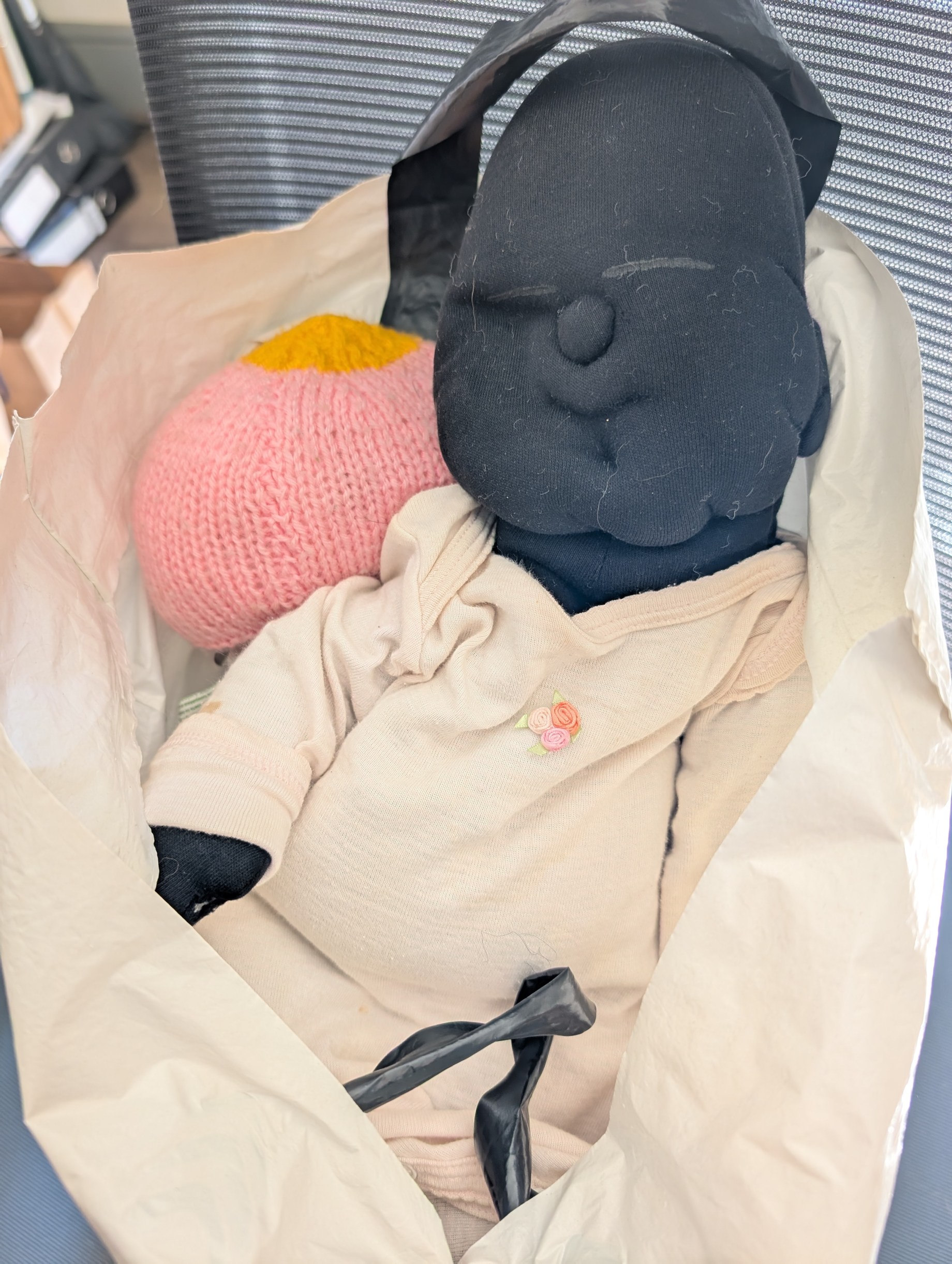
I’ve been a IBCLC (Independent Board Certified Lactation Consultant) for 15 years, and in those years, I have supported hundreds of new mothers and their babies and trained further hundreds of health professionals, in the UK, in Ethiopia and Uzbekistan. I made a docudrama about breastfeeding in Ethiopia, and demonstrated the ingredients in breastmilk on Uzbek TV.
To become an IBCLC I needed to prove 1,000 hours of clinal observation (mostly obtained back when I was volunteering with the incredible @Breastfeeding Network in North London). I had to complete 95 hours of specific education, and sit a rigorous exam that covered biology, anatomy, child development, ethics and more. I had to re-certify every 5 years.
Here’s what I loved about being an LC: working with women at such an immensely important time in their lives; listening to their worries and providing options and information rather than advice; supporting them to make choices about how they feed their babies, even if that wasn’t (only) breastfeeding; cutting through the misinformation they might have heard; teaching them about how their hormones and biology respond in the days and weeks after birth; seeing women and babies thrive and grow in breastfeeding confidence; knowing that the groups I ran offered them solace and companionship; working with supportive colleagues in hospital settings; helping to increase babies’ protection against germs, allergies and disease, and seeing the strong bond that breastfeeding can build.
Here’s what I hated about it: The ’mummy wars’ that needlessly pit women against women; the grinding, wearying power of Big Formula to undermine women’s confidence; working with staff who were dismissive of breastfeeding; being the last port of call for desperate mothers who have spent so long being passed from hand to hand that their milk supply is already compromised or their baby is refusing to feed; not having enough time or enough resources to help everyone; the mistaken assumption that being an LC means you are a medical professional; the mistaken assumption that medical professionals are always knowledgeable about breastfeeding.
In October, my certification will expire and I won’t be renewing. Why?
Honestly, working as a home-visiting independent lactation consultant in the UK during the end of the Covid-19 pandemic finished me off. I didn’t have the support of any hospital colleagues and I hated charging women for a service that I believe should be free. There was never enough time to really give the support needed so soon, with the long distances I was travelling and the time needed to write up notes, I was not even earning minimum wage. The final straw for me was diagnosing a newly discharged baby with dangerous dehydration; I felt so under-supported and unsafe that I had to stop.
How we support women to feed their babies matters. The armies of breastfeeding supporters out there do an incredible job and their passion and commitment is inspiring. I wish breastfeeding and breast milk were valued more and that that supporters’ time, knowledge and experience were recognised, supported and financially rewarded. Anyone who has ever been helped by a breastfeeding supporter (as I was, with my own babies) will remember the power of compassion and empowerment and information free from commercial bias.
I’ve been working for @WHO Regional Office for Europe for nearly 4 years now, not in infant feeding, but in emergency communications. I love working with colleagues who are passionate and committed to health for all, including women and babies. I’ve offered breastfeeding support (voluntarily) to a number of colleagues and I treasure every precious moment of supporting women. I’m proud of my time being an LC– I learned a lot about myself and my values. I thank my mentors for opening my eyes to the commercial determinants of health- which once recognised, can never be ignored. For now, at least, the knitted boobs are being retired to my attic, but I take my experiences of being an LC with me into all my work on health.
 Alice Allan